
How to Start a Basic Skincare Routine for Healthy Skin
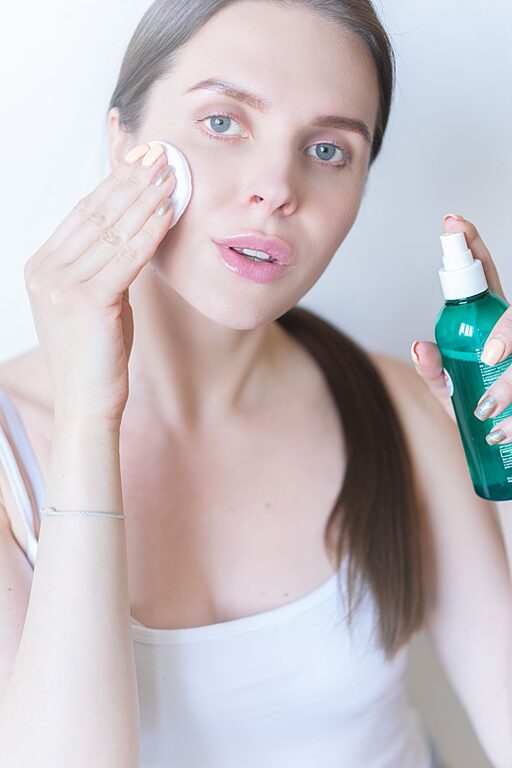
Starting a skincare routine can feel overwhelming with so many products and advice out there. But the truth is, a basic skincare routine doesn’t have to be complicated or time-consuming. With just a few essential steps and products, you can build a daily habit that supports your skin’s health and appearance. This guide will walk you through the basics to get started confidently.
Why Start a Skincare Routine?
Your skin is your body’s largest organ and acts as a barrier against environmental damage. Caring for your skin daily can help maintain its natural balance, prevent common issues like dryness or breakouts, and keep it looking fresh. Even if you have sensitive or oily skin, a simple routine tailored to your needs can make a noticeable difference.
Step 1: Know Your Skin Type
Understanding your skin type is the first step in choosing the right products. Skin types generally fall into these categories:
– Normal: Balanced, not too oily or dry
– Oily: Excess shine and enlarged pores
– Dry: Flaky, rough, or tight feeling
– Combination: Oily in some areas (like the T-zone) and dry in others
– Sensitive: Easily irritated or reactive to products
You can figure out your skin type by observing how your face feels a few hours after washing or by consulting with a dermatologist.
Step 2: Essential Skincare Routine Steps
A basic skincare routine usually consists of three key steps: cleansing, moisturizing, and protecting.
Cleanse Twice Daily
Start and end your day by washing your face with a gentle cleanser. Cleansing removes dirt, oil, and impurities that build up on your skin.
– Use lukewarm water, as hot water can strip your skin of natural oils.
– Avoid harsh soaps that can cause dryness or irritation.
– For makeup wearers, consider using a makeup remover or cleansing oil first.
Moisturize to Hydrate
Moisturizing helps keep your skin hydrated, soft, and smooth.
– Choose a moisturizer that suits your skin type: gel-based for oily skin, cream-based for dry skin.
– Apply moisturizer on slightly damp skin to lock in moisture.
– Don’t forget your neck area!
Apply Sunscreen Every Day
Sunscreen is the most important step for protecting your skin from harmful UV rays.
– Use a broad-spectrum sunscreen with at least SPF 30.
– Apply sunscreen every morning, even on cloudy days.
– Reapply every two hours if you are outdoors for extended periods.
Step 3: Additional Tips for Healthy Skin
Once you have the basics down, you can personalize your routine with a few extra steps:
Exfoliate Weekly
Exfoliating removes dead skin cells and can brighten your complexion. Use a gentle scrub or a chemical exfoliant like AHAs or BHAs once or twice a week.
Add Targeted Treatments
If you have specific concerns like acne, dark spots, or fine lines, you might consider serums or treatments containing ingredients such as vitamin C, niacinamide, or retinol.
Stay Consistent
The best results come from sticking to your routine daily. It’s normal for your skin to take a few weeks to adjust to new products.
Step 4: Healthy Habits Beyond Skincare Products
Skincare is not only about the products you apply. Healthy lifestyle habits play a vital role in your skin’s condition:
– Drink plenty of water to stay hydrated.
– Get enough sleep to allow your skin to repair.
– Eat a balanced diet rich in fruits and vegetables.
– Manage stress through relaxation techniques.
Common Mistakes to Avoid
– Over-washing your face can lead to dryness and irritation.
– Using too many products at once may overwhelm your skin.
– Skipping sunscreen can cause premature aging and damage.
– Picking at your skin can lead to scarring and infection.
Conclusion
Starting a basic skincare routine is simple and effective when you focus on cleansing, moisturizing, and sun protection. Tailor your routine to your skin type and keep it consistent for the best results. Remember, your skin needs gentle care and time to show improvements, so be patient and enjoy the process of caring for yourself.
If you’re ever unsure about which products to choose or how to address your skin concerns, consulting a dermatologist can provide personalized guidance. Happy skincare!