
How to Plan a No-Stress Weekend: Simple Steps for Relaxation
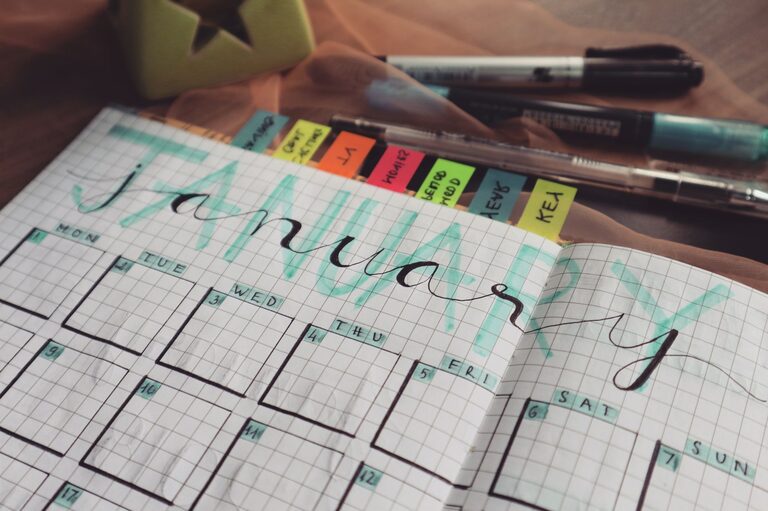
Taking a break from the busyness of daily life is essential for maintaining balance and mental clarity. Planning a no-stress weekend isn’t about forcing yourself to do nothing; it’s about creating a space where you can truly unwind and recharge. With a little preparation and intention, you can enjoy a weekend that feels peaceful and rejuvenating.
In this guide, we’ll explore practical tips on how to plan a no-stress weekend that suits your lifestyle and helps you return to the week feeling refreshed.
Why a No-Stress Weekend Matters
Stress accumulates over time, and without proper rest, it can affect your mood, productivity, and overall well-being. A no-stress weekend provides a mental reset. It allows your mind to rest, your body to recover, and helps you gain perspective.
By actively planning your weekend downtime, you avoid last-minute rushes or feeling overwhelmed by commitments. This can improve your sleep, decrease anxiety, and boost your energy levels.
Step 1: Set Clear Intentions
Start by defining what you want from your weekend. Do you want to relax, get outside, spend time with loved ones, or pursue hobbies? Setting clear intentions helps you prioritize activities that genuinely bring you joy and rest.
Tips for Setting Intentions
– Write down your weekend goals.
– Keep your list simple—focus on one or two main themes like rest or connection.
– Be realistic about what you can achieve.
Step 2: Declutter Your Schedule
A major cause of weekend stress is an overloaded calendar. Avoid overbooking yourself with errands, social events, or chores.
How to Declutter Your Schedule
– Review your weekend appointments and commitments.
– Postpone non-urgent tasks.
– Leave blocks of free time open for spontaneity or relaxation.
– Communicate your no-stress weekend plans to family or friends.
Step 3: Prepare Your Environment
Your surroundings can influence your mood and stress levels. Creating a calming environment at home sets the tone for your weekend.
Ways to Create a Relaxing Space
– Tidy up living areas to reduce visual clutter.
– Add soothing elements like candles, soft lighting, or plants.
– Prepare cozy spots with blankets and pillows.
– Create a playlist of your favorite calming music.
Step 4: Plan Simple, Enjoyable Activities
Choose activities that make you feel good without causing pressure. The goal is to refresh your mind and body.
Activity Ideas for a No-Stress Weekend
– Go for a gentle walk in nature.
– Read a book or listen to an audiobook.
– Practice mindfulness or meditation for a few minutes.
– Cook a favorite meal or try an easy new recipe.
– Enjoy a digital detox by limiting screen time.
Step 5: Schedule Time for Yourself
Even if you share your weekend with family or friends, carving out solo time is important for recharging. Use this time to do something you love or simply relax.
Self-Care Suggestions
– Take a warm bath or shower.
– Journal your thoughts and feelings.
– Engage in light stretching or yoga.
– Enjoy a hobby like painting, knitting, or gardening.
Step 6: Nourish Your Body Mindfully
Eating well and staying hydrated supports your energy and mood. Plan simple, nutritious meals that don’t require too much prep work.
Tips for Mindful Eating
– Prepare snacks and meals ahead of time.
– Choose foods high in nutrients, like fruits, vegetables, and whole grains.
– Drink plenty of water throughout the day.
– Avoid heavy or overly processed foods that can leave you feeling sluggish.
Step 7: Prioritize Sleep
Quality sleep is key to reducing stress and improving overall health. Use your no-stress weekend to reset your sleep patterns.
Ways to Improve Weekend Sleep
– Go to bed and wake up at consistent times.
– Create a bedtime routine that signals relaxation, such as reading or listening to soft music.
– Make your bedroom cool, dark, and quiet.
– Limit caffeine and alcohol, especially in the evening.
Step 8: Reflect and Adjust
At the end of your weekend, take a moment to reflect on what worked well and what didn’t. Use these insights to improve your future no-stress weekends.
Reflection Questions
– Did you feel more relaxed?
– Which activities helped you most?
– Were there any moments of stress or obligation?
– How can you better protect your weekend downtime moving forward?
Final Thoughts
Planning a no-stress weekend is about intentional living and caring for your well-being. By setting clear intentions, simplifying your schedule, and nurturing your mind and body, you create a space for genuine relaxation. Remember, the goal is not perfection but balance. Each weekend offers a new opportunity to practice these habits and enjoy a peaceful pause in life’s rhythm.
Give yourself permission to unwind—you deserve it!